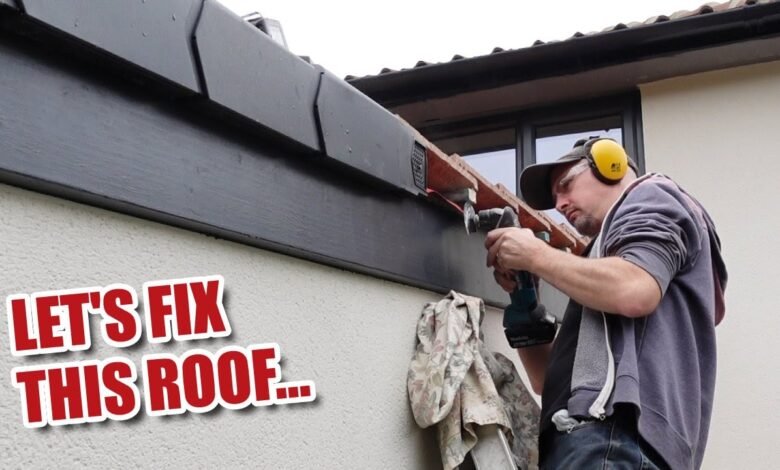
A badly fitted dry verge is one of the most common yet underestimated roofing issues found on residential properties across the UK. It refers to a verge system that has been installed incorrectly, leaving roof edges exposed to wind, rain, and pest entry. When a badly fitted dry verge is present, it can quickly reduce the durability and performance of the entire roof structure.


Homeowners often overlook early signs of a badly fitted dry verge because the damage begins subtly. Small gaps, uneven lines, or loose verge caps may not seem serious at first, but they gradually develop into larger structural problems. Understanding how a badly fitted dry verge affects roofing performance is essential for preventing long-term repair costs and maintaining a safe, weather-resistant home.
What a dry verge system is and why correct installation matters
A dry verge system is a modern roofing component designed to secure and protect the edge of roof tiles without using traditional mortar. It provides a clean, maintenance-free finish while improving resistance against wind and rain. However, when installation is not carried out correctly, a badly fitted dry verge can completely undermine these benefits and expose the roof to damage.
Proper installation ensures that each verge unit locks tightly into place, creating a continuous protective barrier along the roof edge. In contrast, a badly fitted dry verge often results from poor alignment, incorrect batten sizing, or rushed workmanship. This not only affects the appearance of the roof but also reduces its ability to withstand harsh UK weather conditions.
Main causes behind a badly fitted dry verge
One of the primary causes of a badly fitted dry verge is poor installation practice. Roofers or DIY installers may fail to measure battens correctly or align the verge units properly along the roof edge. Even minor inaccuracies can lead to long-term instability, causing the system to shift, loosen, or detach over time.
Another frequent cause of a badly fitted dry verge is improper preparation of the roof structure. Old mortar that has not been fully removed can prevent the new system from sitting flush against the tiles and bargeboard. Additionally, the use of low-quality materials or incompatible components increases the likelihood of early failure and structural weakness.
Common signs that indicate a badly fitted dry verge
A badly fitted dry verge often becomes noticeable through visible defects along the roofline. One of the earliest signs is an uneven or wavy appearance where the verge should form a straight and consistent edge. Gaps between tiles and verge caps are also common indicators that the system has not been installed correctly.
In more severe cases, a badly fitted dry verge may allow water or pests to enter the roof space. Homeowners may notice damp patches inside the property or hear rattling noises during strong winds. These warning signs suggest that the system is no longer securely fixed and requires immediate inspection and repair to prevent further deterioration.
Problems and risks caused by badly fitted dry verge
A badly fitted dry verge can lead to a range of serious roofing problems if left unaddressed. One of the most significant risks is water ingress, which can penetrate the roof structure and damage insulation, timber battens, and interior ceilings. Over time, this moisture exposure can lead to mould growth and structural decay.
Another major concern with a badly fitted dry verge is its reduced resistance to wind uplift. During storms, loose or poorly secured verge units may detach completely, exposing the roof edges to further damage. This not only increases repair costs but can also compromise the safety and stability of the entire roofing system.
Impact of badly fitted dry verge on the overall roof structure
When a badly fitted dry verge is present, the entire roofing system becomes vulnerable to progressive damage. The verge acts as a protective barrier for roof tiles and underlay materials, and when it fails, the surrounding components are exposed to weathering. This can significantly shorten the lifespan of the roof.
A badly fitted dry verge can also disrupt the roof’s drainage performance. Rainwater may not flow correctly into the guttering system, leading to overflow and damp patches on external walls. Over time, this continuous exposure weakens structural integrity and may require extensive repairs or even partial roof replacement.
How to fix a badly fitted dry verge properly
Fixing a badly fitted dry verge typically requires complete removal of the existing system to ensure a correct and stable installation. All verge units must be carefully dismantled, and any remaining mortar, debris, or damaged materials should be fully cleared before reinstallation begins. This creates a clean base for a reliable repair.
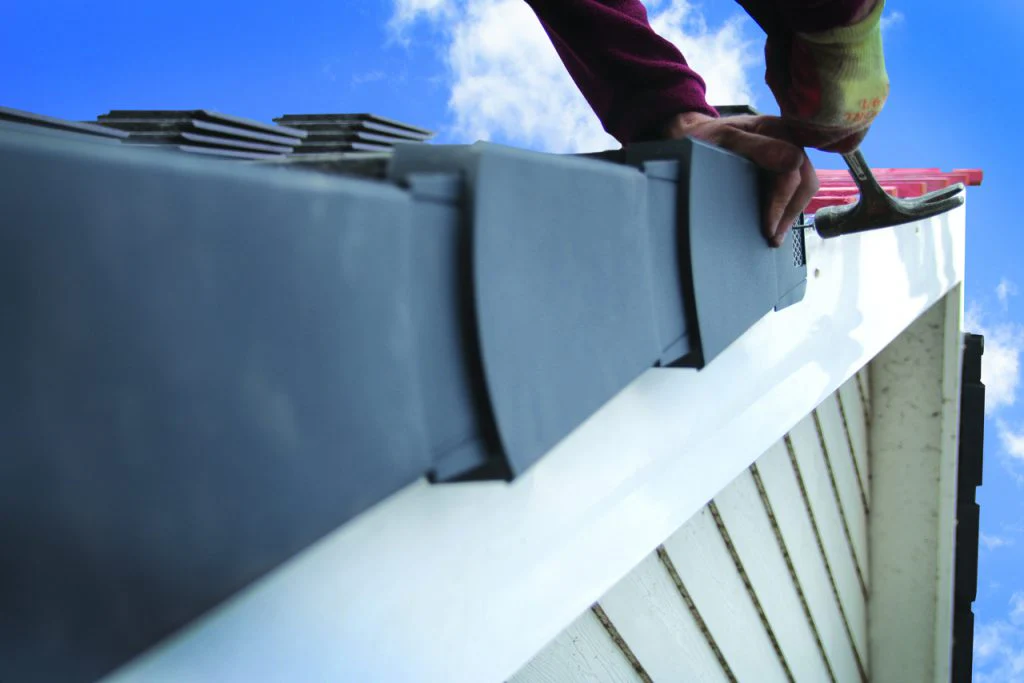
Once the roof edge is prepared, new verge units must be installed following manufacturer guidelines. A badly fitted dry verge can only be properly corrected when battens are accurately measured, aligned, and securely fixed. Each unit should be clipped tightly from the eaves upwards to ensure stability and long-term weather protection.
In many cases, professional roofing services are recommended when dealing with a badly fitted dry verge. Experienced installers can ensure that all structural requirements are met, reducing the risk of future failure and improving the overall durability of the roof system.
Prevention methods for avoiding badly fitted dry verge issues
Preventing a badly fitted dry verge begins with ensuring high-quality installation from the outset. Choosing experienced and certified roofers significantly reduces the risk of errors during fitting. Proper measurement, alignment, and use of manufacturer-approved materials are essential for long-lasting performance.
Regular roof inspections also play an important role in preventing a badly fitted dry verge from developing unnoticed issues. Checking for loose caps, gaps, or movement after storms allows homeowners to identify early signs of failure. Preventative maintenance ensures the roof remains secure, weather-resistant, and structurally sound.
Conclusion on badly fitted dry verge and roofing protection
A badly fitted dry verge is not just a minor roofing flaw but a serious issue that can compromise the entire structure of a property. From water damage to wind uplift, the consequences can escalate quickly if not addressed in time. Understanding the risks helps homeowners take proactive action before major repairs become necessary.
Ensuring that a dry verge system is installed correctly is essential for long-term roof performance. A badly fitted dry verge can always be avoided through proper workmanship, regular inspections, and timely maintenance. Protecting the roof edge ultimately protects the entire home from avoidable and costly damage.