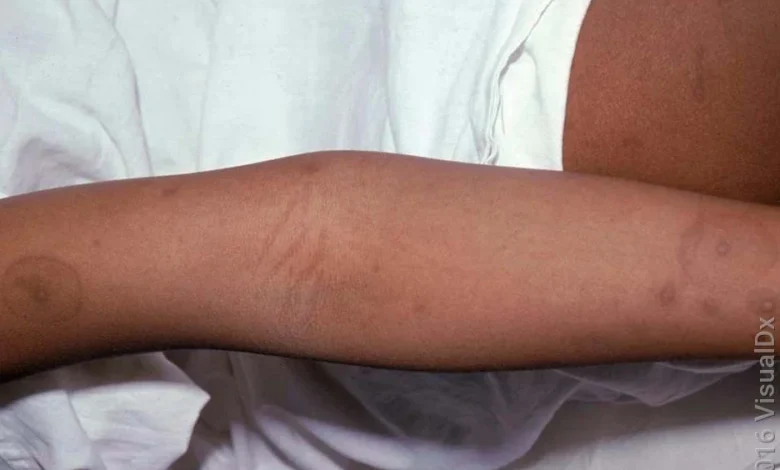
Chicken pox on black skin is a highly contagious viral infection caused by the varicella-zoster virus, which affects people of all skin tones. However, in darker skin, the rash can be harder to identify because redness is less visible. Instead, lesions may appear brown, purple, grey, or skin-coloured, which often leads to delayed recognition and confusion with other skin conditions.


Chicken pox on black skin usually begins with general flu-like symptoms such as fever, fatigue, and headache before the rash appears. Understanding how chicken pox on black skin develops is essential for early detection, especially in African American, brown, and deeply pigmented skin tones where visual changes can be subtle in the early stages.
Causes and Transmission of Chicken Pox on Black Skin
Chicken pox on black skin is caused by the same virus that affects all individuals, the varicella-zoster virus. It spreads easily through airborne droplets when an infected person coughs or sneezes, as well as through direct contact with blister fluid. Because of its highly contagious nature, outbreaks can spread quickly in schools and households.
Chicken pox on black skin remains contagious from one to two days before the rash appears until all blisters have fully crusted. This makes early isolation extremely important. Even though chicken pox on black skin presents differently in appearance, the transmission process and infectious period remain the same as in lighter skin tones.
Early Stage Chicken Pox on Black Skin
Chicken pox on black skin in the early stage often starts with mild symptoms that may go unnoticed. Patients may feel tired, develop a slight fever, or experience reduced appetite. These early signs are often mistaken for a common viral infection, delaying proper diagnosis and care.
In early stages beginning chicken pox on black skin, small raised bumps may form that are not red but appear darker, grey, or even similar to surrounding skin tone. This subtle appearance makes chicken pox on black skin more difficult to identify compared to lighter skin, where redness is more obvious and visually distinct.
Rash Development and Progression in Chicken Pox on Black Skin
Chicken pox on black skin develops in multiple stages, although these stages can overlap. First, small spots appear, followed by raised bumps, then fluid-filled blisters, and finally scabs that form as the skin begins to heal. This progression typically occurs over several days.
Chicken pox on black skin may look different throughout these stages due to pigmentation. In brown skin chicken pox on black skin cases, the rash may appear purple or dark brown instead of red. Because of this variation, understanding chicken pox on black skin pictures is essential for accurate identification and early treatment.
Symptoms Associated with Chicken Pox on Black Skin
Chicken pox on black skin does not only affect the skin but also causes general body symptoms. Fever, fatigue, muscle aches, and irritability are common before the rash develops. These symptoms may be mild or moderate depending on the individual’s immune response.
Chicken pox on black skin also causes intense itching, which can be very uncomfortable. Scratching must be avoided as it increases the risk of infection and scarring. In African American chicken pox on black skin cases, post-inflammatory pigmentation is more noticeable, making proper skin care essential during recovery.
Identifying Chicken Pox on Black Skin Pictures
Chicken pox on black skin pictures show how the rash may appear less red and more subtle compared to lighter skin tones. Instead of bright inflammation, lesions may appear as raised bumps with darker pigmentation, making visual diagnosis more challenging.
Chicken pox on black skin images are important for education and awareness, especially for parents and caregivers. Recognising these differences early helps avoid confusion with conditions like measles beginning chicken pox on black skin or insect bites, which may appear similar in the initial stages.
Treatment and Management of Chicken Pox on Black Skin
Chicken pox on black skin has no specific cure, but symptoms can be effectively managed at home. Fever can be controlled with paracetamol, while itching can be relieved using antihistamines under medical advice. Maintaining hydration and rest is also essential for recovery.
Chicken pox on black skin care should also include soothing baths, calamine lotion, and loose cotton clothing to reduce irritation. Preventing scratching is very important, as it reduces the risk of infection and helps minimise long-term skin discolouration that may remain after healing.
Healing Stage of Chicken Pox on Black Skin
Chicken pox on black skin enters the healing stage when blisters dry out and scabs begin to fall off naturally. At this point, the individual is no longer contagious, although the skin may still show visible marks for some time after recovery.
Chicken pox on black skin healing often results in post-inflammatory hyperpigmentation, especially in darker skin tones. These dark spots are not permanent scars but may take weeks or even months to fade. Proper skincare can support faster recovery and improve overall skin appearance.
Complications and When to Seek Medical Advice
Chicken pox on black skin is usually mild, but complications can occur in some cases. Bacterial infections may develop if blisters are scratched or not properly cared for. High fever, worsening rash, or difficulty breathing should always be treated as warning signs.
Chicken pox on black skin may require medical attention if symptoms become severe or if the patient belongs to a high-risk group, such as infants, pregnant women, or individuals with weakened immune systems. Early consultation helps prevent serious complications.
Prevention of Chicken Pox on Black Skin
Chicken pox on black skin can be prevented through vaccination, which is highly effective in reducing the risk of infection. The varicella vaccine is recommended in many countries as part of routine immunisation schedules for children.
Chicken pox on black skin prevention also includes avoiding close contact with infected individuals and maintaining good hygiene practices. Isolation during active infection is essential to prevent spreading the virus to others in the community.
Conclusion
Chicken pox on black skin is a common but often misunderstood condition due to differences in how the rash appears in darker skin tones. Recognising early symptoms and understanding how chicken pox on black skin progresses can help ensure timely treatment and reduce complications.
Chicken pox on black skin usually resolves within one to two weeks, although skin discolouration may take longer to fade. With proper care, rest, and hygiene, most individuals recover fully without long-term effects, making awareness and early identification extremely important.