Salvation Army Gravesend is a vital community organisation that continues to support individuals and families across Gravesend, Kent with compassion and practical assistance. It operates as part of a wider charitable mission that focuses on helping people in times of hardship. From food support to spiritual guidance, Salvation Army Gravesend plays an important role in strengthening the local community and offering hope where it is needed most.


Within the heart of the town, Salvation Army Gravesend provides a safe and welcoming environment where everyone is treated with dignity and respect. The organisation is deeply rooted in Christian values, yet its services are open to all members of the community. Whether someone is seeking emergency help or long-term support, Salvation Army Gravesend remains a trusted place for care, guidance, and stability.
About Salvation Army Gravesend
Salvation Army Gravesend has a long-standing history of serving the local population through faith-based outreach and social support programmes. As part of The Salvation Army network in the UK, it shares a mission focused on practical help and emotional wellbeing. Over the years, it has become a cornerstone of community life in Gravesend, offering consistent support to those in need.
The presence of Salvation Army Gravesend reflects a strong commitment to inclusivity and service. It welcomes individuals from all backgrounds, ensuring that no one is excluded from receiving help. Through its programmes, Salvation Army Gravesend continues to build stronger community connections while addressing real-life challenges faced by residents.
Location, Contact Information and Accessibility
Salvation Army Gravesend is located at 34 The Grove, Gravesend, DA12 1DX, making it easily accessible for people living in and around the town. Its central location ensures that individuals can reach the centre conveniently using public transport or by walking from nearby residential areas. This accessibility is essential for those who may be facing urgent difficulties.
The Salvation Army Gravesend also provides clear communication channels, including phone and email contact options, to ensure that people can easily reach out for help or enquiries. Whether someone is seeking information about services or immediate support, Salvation Army Gravesend maintains an open-door approach that prioritises accessibility and responsiveness.
Church Services and Worship Activities

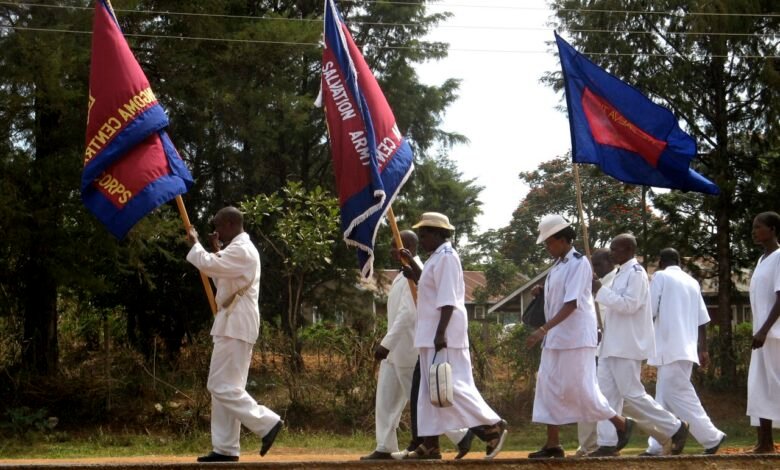
Salvation Army Gravesend offers regular church services that provide spiritual comfort and a sense of belonging to the community. These services are designed to support individuals in their faith journey while also offering encouragement and hope. Many attendees find comfort in the welcoming atmosphere created during worship gatherings at Salvation Army Gravesend.
Alongside traditional services, Salvation Army Gravesend hosts additional spiritual activities such as prayer meetings, music sessions, and youth-focused programmes. These activities help strengthen relationships within the community while providing opportunities for personal reflection and growth. The inclusive nature of these gatherings ensures that everyone feels valued and supported.
Food Bank and Emergency Support Services
Salvation Army Gravesend plays a crucial role in addressing food insecurity through its food bank and community pantry initiatives. These services are designed to help individuals and families who are struggling to afford basic necessities. Salvation Army Gravesend ensures that support is provided with dignity and care, reducing stress during difficult times.
The food support offered by Salvation Army Gravesend typically includes essential groceries, household items, and hygiene products. This assistance helps bridge the gap for people experiencing financial hardship. By offering practical relief, Salvation Army Gravesend continues to make a meaningful difference in the lives of many residents across Gravesend.
Wider Social Support and Community Assistance
Beyond food aid, Salvation Army Gravesend provides a range of social support services aimed at improving overall wellbeing. These services include emotional support, guidance for vulnerable individuals, and referrals to specialist organisations. Salvation Army Gravesend focuses on helping people regain stability in both practical and emotional aspects of life.
In many cases, Salvation Army Gravesend also supports individuals facing homelessness, financial crisis, or personal challenges. The organisation works closely with local services to ensure people receive the right help at the right time. This holistic approach makes Salvation Army Gravesend an essential support system within the community.
Donations and Volunteer Opportunities
Salvation Army Gravesend relies heavily on the generosity of donations from local residents and businesses. Items such as non-perishable food, clothing, and household essentials are often needed to support ongoing community programmes. Salvation Army Gravesend ensures that all donations are distributed fairly to those who need them most.
Volunteering is also a key part of the work carried out by Salvation Army Gravesend. Volunteers contribute to food distribution, event organisation, and community outreach initiatives. By giving their time, they help strengthen the impact of Salvation Army Gravesend and support its mission of helping those in need.
Community Engagement and Local Impact
Salvation Army Gravesend is actively involved in community events and local outreach programmes that bring people together. These events help build stronger connections among residents while promoting unity and support. Salvation Army Gravesend plays an important role in fostering a sense of belonging within the town.
Through seasonal activities, fundraising events, and collaborative projects, Salvation Army Gravesend continues to strengthen its relationship with the local community. Its ongoing engagement ensures that it remains relevant and responsive to changing needs, making a lasting positive impact across Gravesend.
Conclusion
Salvation Army Gravesend remains a cornerstone of support for individuals and families across the local area. Its wide range of services, including food assistance, spiritual guidance, and social support, ensures that people have access to help when they need it most. Salvation Army Gravesend continues to uphold its mission of compassion and service.
In conclusion, Salvation Army Gravesend is more than just a charity organisation; it is a vital part of the community that brings hope and stability to many lives. Through ongoing dedication and care, Salvation Army Gravesend continues to make a meaningful difference in Gravesend, offering support that extends far beyond immediate assistance.