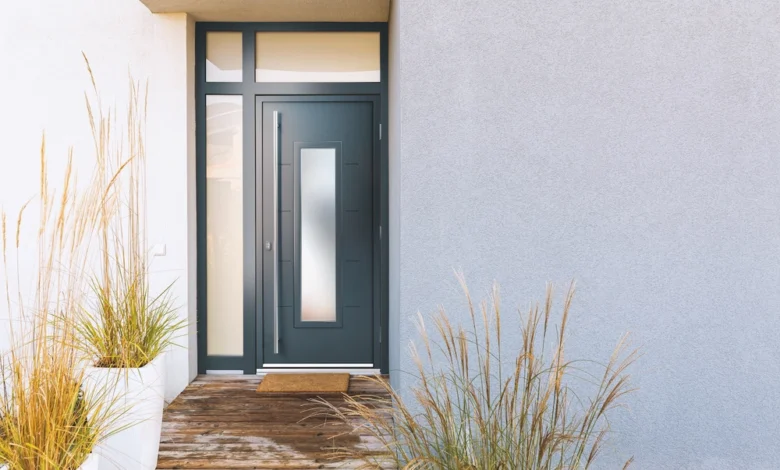
Smarts designer doors are becoming one of the most sought-after entrance solutions in the UK, offering a perfect blend of modern engineering and timeless visual appeal. Homeowners are increasingly choosing smarts designer doors because they deliver an impressive balance of security, insulation, and architectural beauty. Whether used in contemporary builds or traditional homes, they elevate the entrance instantly.

Across the UK, including growing demand in Bedford, smarts designer doors are recognised for their ability to transform a property’s exterior. They are not just functional installations but design statements that reflect lifestyle and taste. With rising interest in energy efficiency and secure living, smarts designer doors continue to stand out as a premium choice for discerning homeowners.
What are Smarts Designer Doors
Smarts designer doors are high-performance aluminium entrance systems designed to combine durability with elegant styling. Built using advanced manufacturing techniques, they offer strength that far exceeds traditional timber or uPVC alternatives. Many homeowners choose smarts designer doors because they require minimal maintenance while delivering long-term reliability and excellent structural integrity.
In addition to their strength, smarts designer doors are engineered for modern living conditions in the UK. Their insulation properties help regulate indoor temperatures throughout the year. This makes smarts designer doors particularly suitable for both cold winters and warm summers, ensuring comfort while reducing energy consumption and supporting sustainable living practices.
Design and Customisation Features
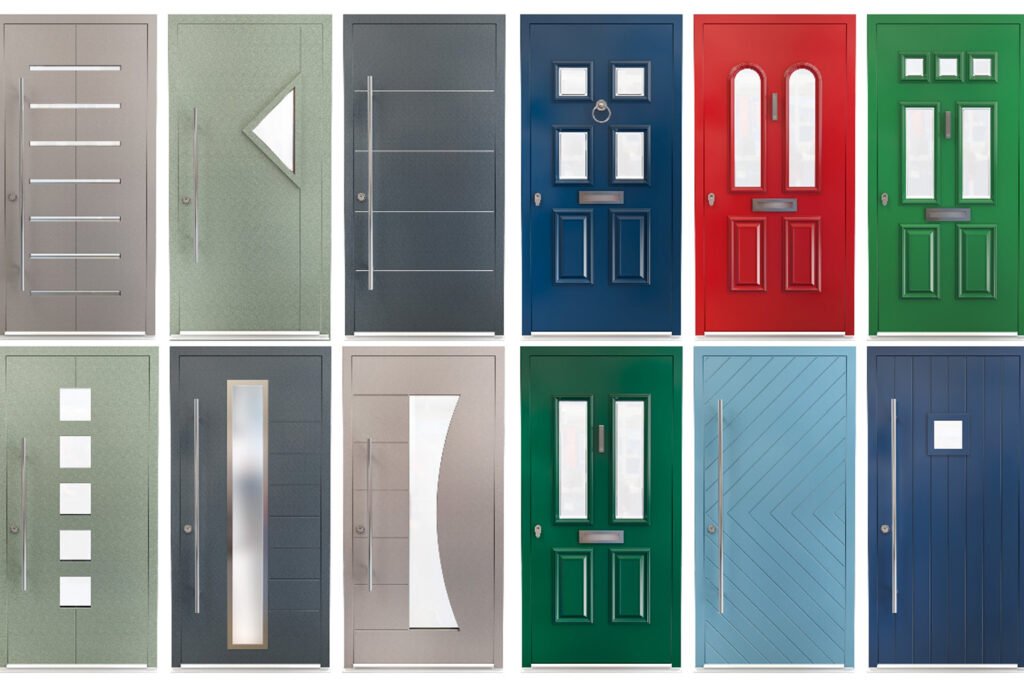
One of the most attractive aspects of smarts designer doors is the wide range of design and customisation options available. Homeowners can select from modern minimalist styles, classic panel designs, or more decorative heritage-inspired finishes. Smarts designer doors are highly adaptable, making them suitable for virtually any architectural style found across the UK.
Beyond basic design, smarts designer doors offer extensive personalisation options, including colour choices, glazing types, and hardware finishes. From bold contemporary shades to subtle traditional tones, every detail can be tailored. This flexibility allows smarts designer doors to become a seamless extension of the home’s exterior identity while maintaining premium performance standards.
Smarts Designer Doors in Bedford and Local Demand
In Bedford, smarts designer doors have seen a significant rise in popularity due to ongoing residential development and renovation activity. Homeowners in the area are increasingly investing in modern entrance solutions that improve both property value and energy efficiency. Smarts designer doors are particularly well-suited to Bedford’s mix of traditional and modern housing styles.
Local installers in Bedford have reported strong demand for smarts designer doors as more homeowners seek upgrades that enhance security and appearance simultaneously. The adaptability of these doors makes them ideal for suburban homes, townhouses, and newly built properties. As awareness grows, smarts designer doors continue to establish a strong presence in the Bedford housing market.
Energy Efficiency and Security Performance
Smarts designer doors are engineered with advanced thermal technology, helping to significantly reduce heat loss in homes. Their insulated aluminium frames and high-performance glazing contribute to excellent energy ratings. This makes smarts designer doors an ideal solution for homeowners looking to reduce heating costs while maintaining a comfortable indoor environment throughout the year.
Security is another major advantage of smarts designer doors. Equipped with multi-point locking systems and reinforced structures, they provide strong resistance against forced entry. This combination of thermal efficiency and security ensures that smarts designer doors deliver both comfort and peace of mind, making them a preferred choice for modern UK households.
Comparison with Traditional Door Systems
When compared to traditional wooden or uPVC doors, smarts designer doors clearly offer superior performance in several areas. Wooden doors, while aesthetically pleasing, often require frequent maintenance and are susceptible to warping. Smarts designer doors, on the other hand, maintain their shape and finish for many years without significant upkeep.
uPVC doors are commonly used across the UK, but they often lack the premium appearance and structural strength of smarts designer doors. Aluminium construction provides a more modern, durable, and stylish alternative. For homeowners seeking long-term value, smarts designer doors offer a more advanced and visually appealing solution compared to standard options.
Installation Process and Professional Fitting
The installation of smarts designer doors begins with a detailed survey to ensure accurate measurements and proper configuration. Precision is essential, as smarts designer doors are manufactured to fit each property specifically. This tailored approach guarantees optimal performance, insulation, and visual alignment with the home’s structure.
Professional installation teams play a crucial role in ensuring smarts designer doors perform at their best. Skilled fitters handle alignment, sealing, and finishing with care to ensure durability and smooth operation. Once installed, smarts designer doors provide a seamless entrance experience that enhances both functionality and appearance.
Maintenance and Sustainability Benefits
Smarts designer doors are designed for low maintenance, making them highly convenient for homeowners. Unlike timber alternatives, they do not require regular painting or sealing. A simple cleaning routine is enough to keep smarts designer doors looking fresh and modern, even after years of exposure to changing weather conditions.
From a sustainability perspective, smarts designer doors are an environmentally responsible choice. Aluminium is fully recyclable, reducing environmental impact. Combined with their energy-efficient performance, smarts designer doors contribute to lower household carbon emissions, making them a smart option for eco-conscious homeowners across the UK.
Conclusion
Smarts designer doors represent a modern evolution in entrance door design, combining strength, style, and energy efficiency in one complete package. Their growing popularity across the UK, especially in areas like Bedford, highlights their ability to meet the demands of contemporary living while maintaining timeless appeal.
For homeowners seeking long-term value and visual impact, smarts designer doors offer a reliable and stylish solution. With their advanced engineering, customisable designs, and strong security features, smarts designer doors continue to set a high standard in the UK entrance door market, making them a worthwhile investment for any property upgrade.