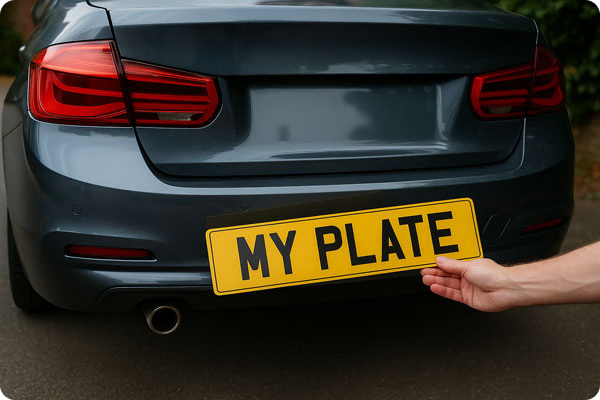
cheap private number plates under £200 are becoming increasingly popular among UK drivers who want to personalise their vehicles without spending a large amount of money. These budget-friendly registrations offer a practical way to add identity, style, and uniqueness to a car while staying within a reasonable price range. Many buyers are surprised at how many combinations are still available under this budget.


The demand for cheap private number plates under £200 has grown due to rising interest in affordable car customisation. Instead of paying thousands for premium plates, drivers can now access a wide range of options that still look attractive on the road. These plates are widely available through online marketplaces and official registration channels, making them accessible to almost anyone.
What makes cheap private number plates under £200 so popular
cheap private number plates under £200 appeal to drivers because they provide individuality without financial strain. Many people want their car to reflect their personality, initials, or memorable numbers, and budget plates make this possible. Even though they are inexpensive, they still follow official registration rules and can be legally assigned to vehicles across the UK.
Another reason cheap private number plates under £200 are so popular is the growing trend of vehicle personalisation. In the UK, drivers increasingly see their cars as an extension of identity, and a private plate is one of the simplest ways to achieve that. Affordable pricing means more people can now participate in this trend without needing a luxury budget.
How cheap private number plates under £200 DVLA options work
The official registration system managed by the DVLA plays a key role in issuing personalised number plates in the UK. Many cheap private number plates under £200 come directly from DVLA-managed databases, auctions, or released stock. These options ensure that every plate is fully legal, traceable, and eligible for use on UK roads.
Understanding how DVLA allocations work helps buyers find genuine bargains. cheap private number plates under £200 DVLA options often include less in-demand combinations or surplus releases that are priced lower. By searching strategically and staying flexible with letter patterns, buyers can find legitimate personalised plates that fit their budget while remaining fully compliant with UK law.
Where to buy cheap private number plates under £200 UK
There are many trusted sources for cheap private number plates under £200 UK, including authorised dealers, online registration platforms, and DVLA-linked services. These platforms allow users to search thousands of combinations instantly, filtering results by price, format, and personal preferences. This makes it easier than ever to find affordable and stylish plates.
When purchasing cheap private number plates under £200 UK, it is important to compare multiple sellers before making a decision. Prices can vary depending on demand, transfer fees, and additional services such as documentation or delivery. Smart buyers take time to review listings carefully to ensure they are getting the best possible deal without hidden charges.
Types of cheap private number plates under £200 available
cheap private number plates under £200 are available in several different formats, each offering unique styling opportunities. The most common include current-style registrations, which follow modern UK formatting rules and are widely available at lower prices. These are often the easiest entry point for first-time buyers looking for affordable personalisation.
Other options include prefix and suffix styles, which can sometimes include initials or meaningful letter combinations. Additionally, Northern Ireland dateless plates are popular because they do not reveal the age of the vehicle. These variations make cheap private number plates under £200 flexible enough to suit different tastes and budgets.
Tips for finding the best cheap private number plates under £200 deals
Finding the best cheap private number plates under £200 requires patience and a flexible approach. Buyers who are open to different combinations, spelling variations, or reversed initials often have better success. The more adaptable the search criteria, the higher the chances of securing a meaningful and affordable registration.
It is also important to monitor prices regularly, as deals can change frequently depending on availability. Many cheap private number plates under £200 appear during promotions or stock clearances, so checking listings often can help secure better value. Comparing multiple platforms ensures buyers avoid overpaying for similar registrations.
Are cheap private number plates under £200 worth it
cheap private number plates under £200 are absolutely worth considering for drivers who want affordable personalisation. While they may not include highly rare or premium combinations, they still provide individuality and visual appeal. For many people, the value lies in expression rather than investment potential.
Another advantage of cheap private number plates under £200 is their accessibility. They allow almost any driver to enjoy a personalised registration without financial pressure. This makes them an ideal option for first-time buyers or those looking to upgrade their vehicle’s appearance on a budget.
Common mistakes when buying cheap private number plates under £200
One common mistake when purchasing cheap private number plates under £200 is not checking hidden costs. Some sellers may add transfer fees or administrative charges that increase the overall price. Buyers should always review the final cost before completing a purchase to avoid unexpected expenses.
Another mistake is rushing into a purchase without comparing alternatives. cheap private number plates under £200 can vary significantly between platforms, and taking time to explore different options can lead to better deals. Careful research ensures buyers get the best combination of price and value.
Conclusion on cheap private number plates under £200
cheap private number plates under £200 offer an excellent opportunity for UK drivers to personalise their vehicles affordably. With a wide range of styles and formats available, these plates make it possible to achieve a customised look without overspending. They remain one of the most accessible ways to enhance a car’s appearance.
Ultimately, cheap private number plates under £200 continue to grow in popularity because they balance affordability, style, and legality. Whether purchased through DVLA channels or trusted UK dealers, they provide a simple and effective way to stand out on the road while staying within budget.