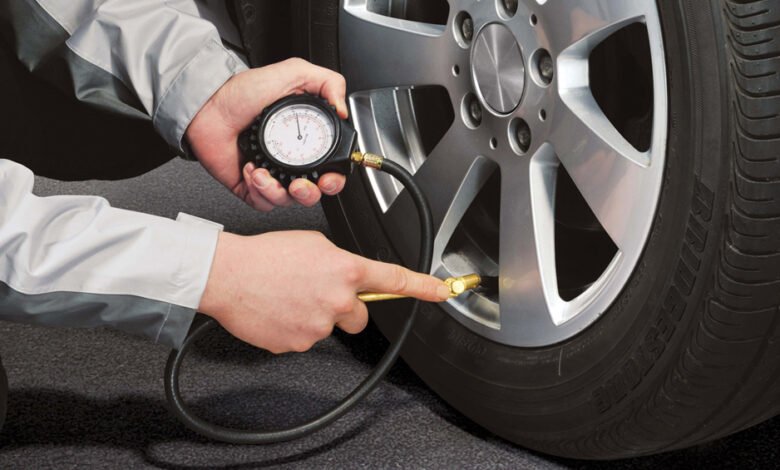
Tyre pressure is one of the most important yet often ignored aspects of vehicle maintenance in the UK. It directly affects safety, braking performance, fuel efficiency, and overall driving comfort. Many motorists only think about tyre pressure when a warning light appears, but regular checks can prevent accidents and unnecessary repair costs while improving long-term tyre health.


Understanding tyre pressure gives drivers better control over their vehicle in all road conditions. Whether driving in heavy rain, on motorways, or through city traffic, correct inflation ensures stability and grip. Maintaining the right levels reduces wear and tear while also helping improve fuel economy, making it an essential part of responsible car ownership.
Understanding Tyre Pressure Basics
Tyre pressure refers to the amount of air inside a tyre, measured in PSI in the UK. Every vehicle is designed with a recommended tyre pressure set by the manufacturer to ensure safe handling and performance. This means there is no universal value, and each car requires a specific level depending on weight, size, and intended use.
Tyre pressure changes naturally due to temperature, driving habits, and load conditions. Cold weather often causes pressure to drop, while long journeys can increase heat inside the tyre. Understanding these variations helps drivers maintain consistent tyre pressure throughout the year and ensures safer driving in all conditions across UK roads.
How to Check Tyre Pressure Correctly
Checking tyre pressure is a simple process, but it must be done correctly for accurate results. The best time to check is when tyres are cold, usually before driving or after the car has been stationary for a few hours. This ensures the reading is not affected by heat generated during driving.
Using a reliable tyre pressure gauge is essential for accuracy. Drivers can use digital or analogue tools depending on preference. Petrol station air machines are also useful, but they should be used carefully. Regularly checking tyre pressure helps prevent underinflation or overinflation, both of which can affect safety and performance significantly.
Finding the Correct Tyre Pressure for Your Car
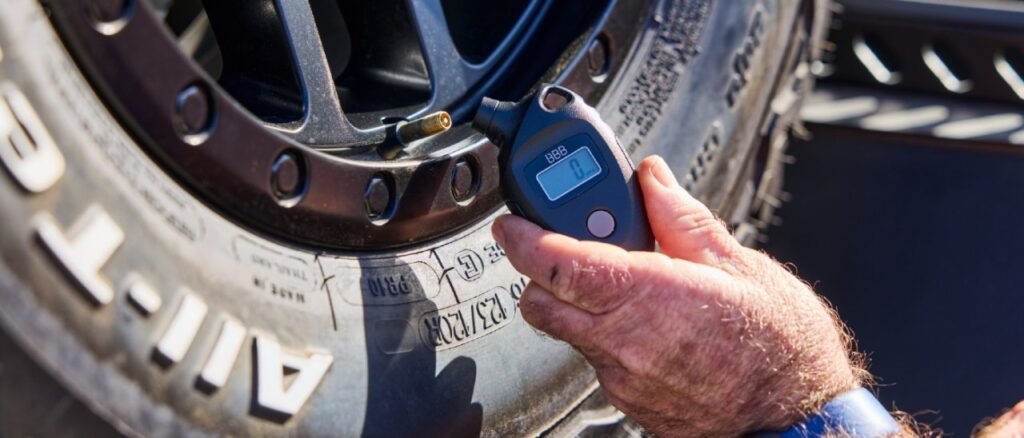
Every vehicle has a specific recommended setting, and finding the correct tyre pressure for your car is essential for safe driving. This information is usually found inside the driver’s door frame, fuel cap, or vehicle handbook. These values are carefully calculated to balance performance, fuel economy, and safety.
Many drivers search online using tyre pressure by reg tools, but these should only be used as a guide. The most accurate information always comes from the manufacturer. Keeping tyre pressure at the correct level ensures optimal handling, especially when carrying passengers or heavy loads on longer journeys.
Tyre Pressure Warning Light and Sensor Systems
Modern cars are equipped with a tyre pressure sensor system that alerts drivers when pressure drops below safe levels. The tyre pressure warning light is an important safety feature that should never be ignored. It helps identify issues early, such as slow leaks or sudden pressure loss.
When the tyre pressure light appears, drivers should inspect all tyres immediately. Ignoring it can lead to reduced control, increased stopping distances, and potential tyre damage. Maintaining correct tyre pressure helps ensure the sensor system functions accurately and provides reliable alerts when needed.
Effects of Incorrect Tyre Pressure on Driving
Incorrect tyre pressure can have serious consequences for both safety and performance. Underinflated tyres increase rolling resistance, leading to higher fuel consumption and poor steering response. This can make the vehicle feel sluggish and less stable, especially during emergency braking situations or high-speed driving.
Overinflated tyres can also be dangerous, as they reduce road contact and grip. This results in uneven tyre wear and a harsher driving experience. Maintaining correct tyre pressure ensures balanced performance, improves tyre lifespan, and helps drivers stay safer on all types of UK roads.
Seasonal Changes and Tyre Pressure in the UK
Weather conditions in the UK play a significant role in tyre pressure fluctuations. Cold temperatures often cause pressure to drop, which is why regular winter checks are essential. During warmer months, pressure may rise, requiring small adjustments to maintain balance and safety.
Drivers should pay close attention to tyre pressure during seasonal transitions. Sudden weather changes can affect handling and braking performance. Regular monitoring ensures the vehicle remains safe and efficient, regardless of temperature shifts throughout the year.
Best Practices for Maintaining Tyre Pressure
Maintaining correct tyre pressure requires consistency and awareness. Drivers should check their tyres at least once a month and before long journeys. Keeping a personal tyre pressure gauge in the car can make this process easier and more reliable, especially when travel plans change unexpectedly.
It is also important to check all four tyres, including the spare if available. Even small differences in pressure can affect handling and safety. By regularly monitoring tyre pressure, drivers can improve fuel efficiency, extend tyre life, and ensure a smoother driving experience.
Conclusion: Safe Driving Starts with Proper Tyre Pressure
Tyre pressure is a simple yet vital part of vehicle maintenance that should never be overlooked. It influences safety, comfort, and efficiency in every journey. Regular checks help prevent unexpected issues and ensure the vehicle performs at its best in all driving conditions.
By understanding and maintaining correct tyre pressure, drivers can enjoy safer roads and improved vehicle performance. Consistent care reduces risks, saves money, and extends tyre lifespan. Making tyre pressure checks a routine habit is one of the easiest ways to stay safe and confident behind the wheel.